
What is carbon monoxide?
Carbon monoxide (CO) is an invisible, odourless, tasteless and highly toxic gas. Exposure to CO can cause symptoms that are similar to the common flu and can lead to death. Carbon monoxide is called the silent killer because you can't detect it on your own.
CO buildup can happen when fuel-burning appliances are not maintained, or a vehicle is left running in the garage. Damaged or blocked vents can also prevent proper circulation and cause CO to be trapped in your home. Always use and maintain equipment and appliances like your natural gas furnace or wood-burning fireplace correctly.
Signs of carbon monoxide
- stuffy or stale air
- a pilot light keeps going out
- more condensation than usual on your windows
- soot buildup around a fireplace, chimney or other fuel-burning equipment
- fuel-burning equipment has a backdraft (the flame flares up when a window or door opens)
If your CO alarm goes off

Symptoms of CO poisoning
CO poisoning symptoms based on exposure (amount inhaled and length of time).
| Exposure level | Symptoms and effects |
|---|---|
| Early or low | Light headache, nausea, shortage of breath during moderate physical activity. |
| High | Severe headaches, dizziness, nausea, vomiting, mental confusion, weakness, vision and hearing impairment, collapse or fainting during physical activity, loss of muscle control, drowsiness. |
| Extreme | Unconsciousness, brain damage, death. |
Install and maintain CO alarms
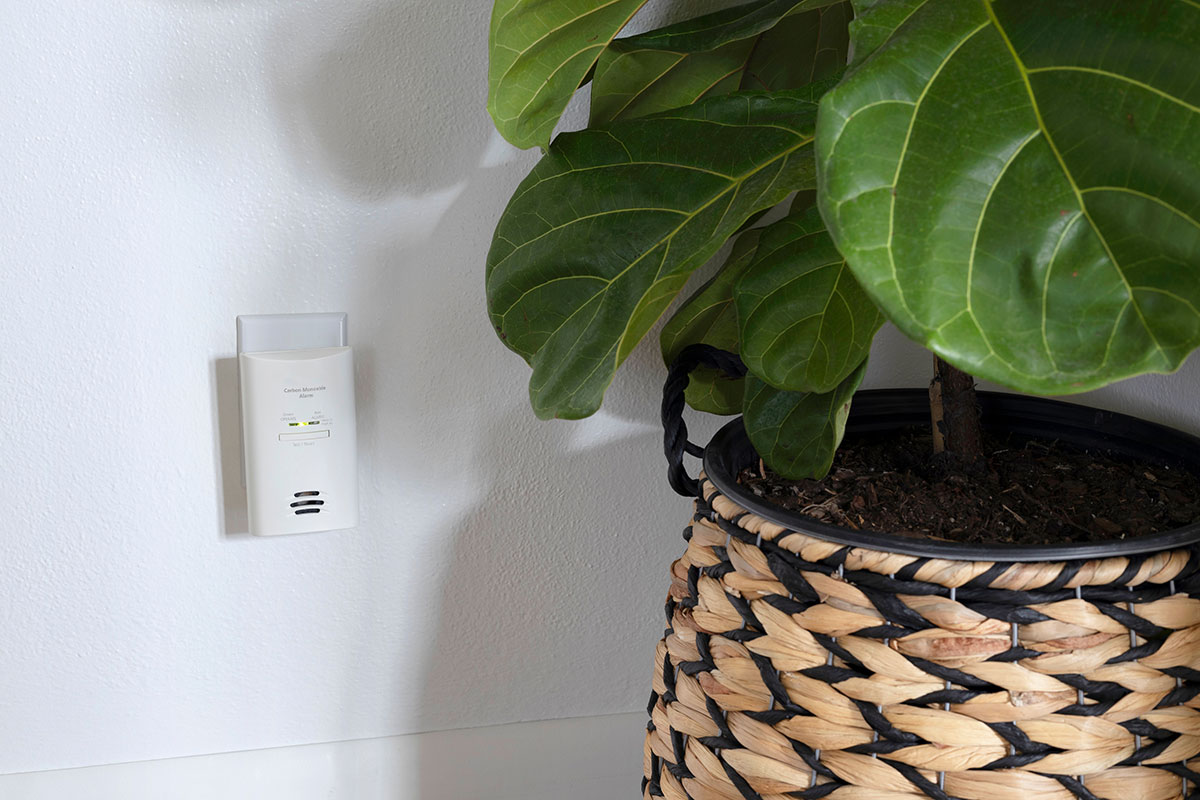
Install a certified carbon monoxide detector on each level of your home near where people sleep. A CO alarm will not prevent carbon monoxide from accumulating, but it will warn you of its presence before you and your family are at risk.
Regularly test your alarms and know the meaning of the beep patterns. You should replace the detector on or before the manufacturer’s recommended replacement date.
Carbon monoxide (CO) dangers in the home
CO is produced when wood, propane, natural gas, diesel, charcoal, gasoline or other fuel burns without enough oxygen. That means several fuel-powered appliances around your home can allow carbon monoxide to accumulate to dangerous levels if not working properly. It’s important to be aware of all potential sources of CO in your home.
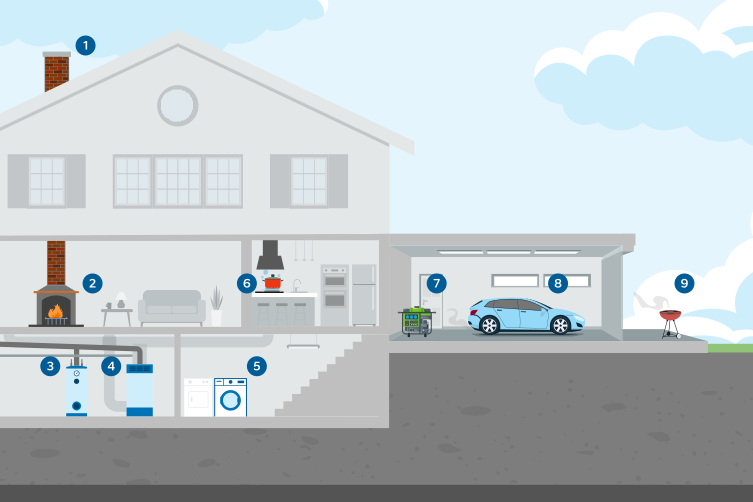
- chimney
- fireplace
- natural gas water heater
- natural gas furnace
- natural gas dryer
- natural gas oven
- generator
- vehicle
- barbeque
Sources of CO in the kitchen
Improperly installed or faulty refrigerators, vent hoods and natural gas or propane ovens and ranges can be sources of CO in the kitchen.
- Make sure external vents are clear of snow, ice, leaves and debris.
- Have your gas appliances inspected and maintained by a licensed heating contractor once a year.
- Never use a barbecue, grill or camp stove inside your home or an enclosed space.
Sources of CO in the living room
Faulty natural gas or propane fireplaces, cracked flues, clogged or blocked chimneys, inadequate fresh air intakes and operating fuel-burning space heaters can be sources of CO in the living room.
- Make sure external vents are clear of snow, ice, leaves and debris.
- Have your gas appliances inspected and maintained by a licensed heating contractor once a year.
- Have your chimney cleaned regularly.
- Make sure there is a fresh air intake duct on your wood-burning fireplace or stove.
- Never operate a fuel-burning space heater such as camping or buddy heaters in an enclosed space.
Sources of CO in the basement
- Have your space and water heating equipment inspected and maintained by a licensed heating contractor once a year.
- Make sure the furnace area is clear of clutter to operate efficiently.
Sources of CO in the garage
- Make sure external vents are clear of snow, ice, leaves and debris.
- Have your gas appliances inspected and maintained by a licensed heating contractor once a year.
- Have your chimney cleaned regularly.
- Make sure there is a fresh air intake duct on your wood-burning fireplace or stove.
- Never operate a fuel-burning space heater such as camping or buddy heaters in an enclosed space.