
Electrical fires
Electrical fires account for almost 20% of all residential fires in Canada. Take precautions and avoid hazardous electrical situations to keep yourself and your family safe. Avoid overloading outlets, keep an eye out for damaged cables and choose the proper extension cords.
If electrical equipment catches fire:
- Disconnect the power if it is safe to reach the cord or outlet.
- Only use a multi-purpose Class C fire extinguisher.

Electrical safety around the house
Learn how to prevent electrical shock or fire in your home.
Video: 1:50
Cables and extension cords
Damaged cables can cause electrical fires. Extension cords should be used only for temporary use. If permanent wiring is required, have a licensed electrician install more outlets.
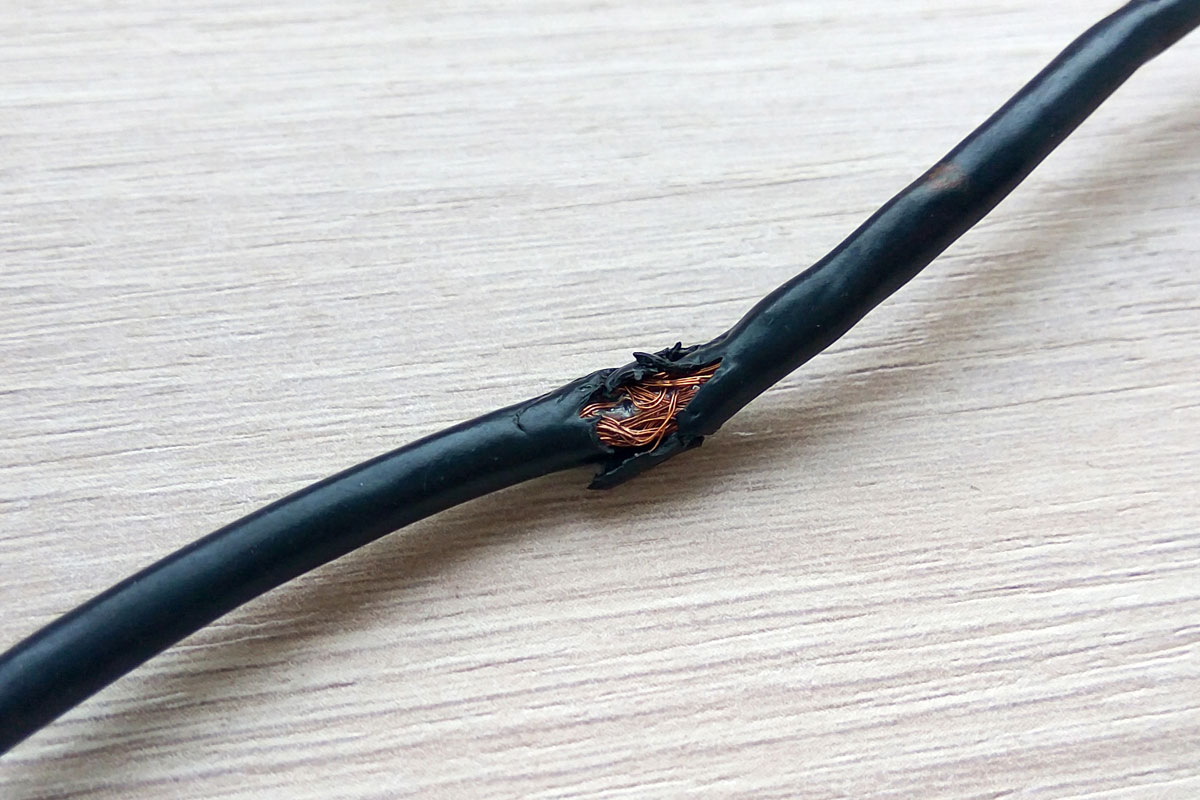
- Check for and replace damaged cables and extension cords.
- Keep extension cords fully extended while in use to avoid overheating.
- If outdoors, use an extension cord designed for outdoor use.
- Always use grounded three-pronged cords and never remove the grounding pin from the plug.
- Damaged extension cords should be discarded and replaced.
- Always use an extension cord with the same or larger wire size as the cord being extended.
- Don't link multiple extension cords together. It’s unsafe and reduces power.
- Never cover cords with rugs or other objects when in use.
Outlet safety
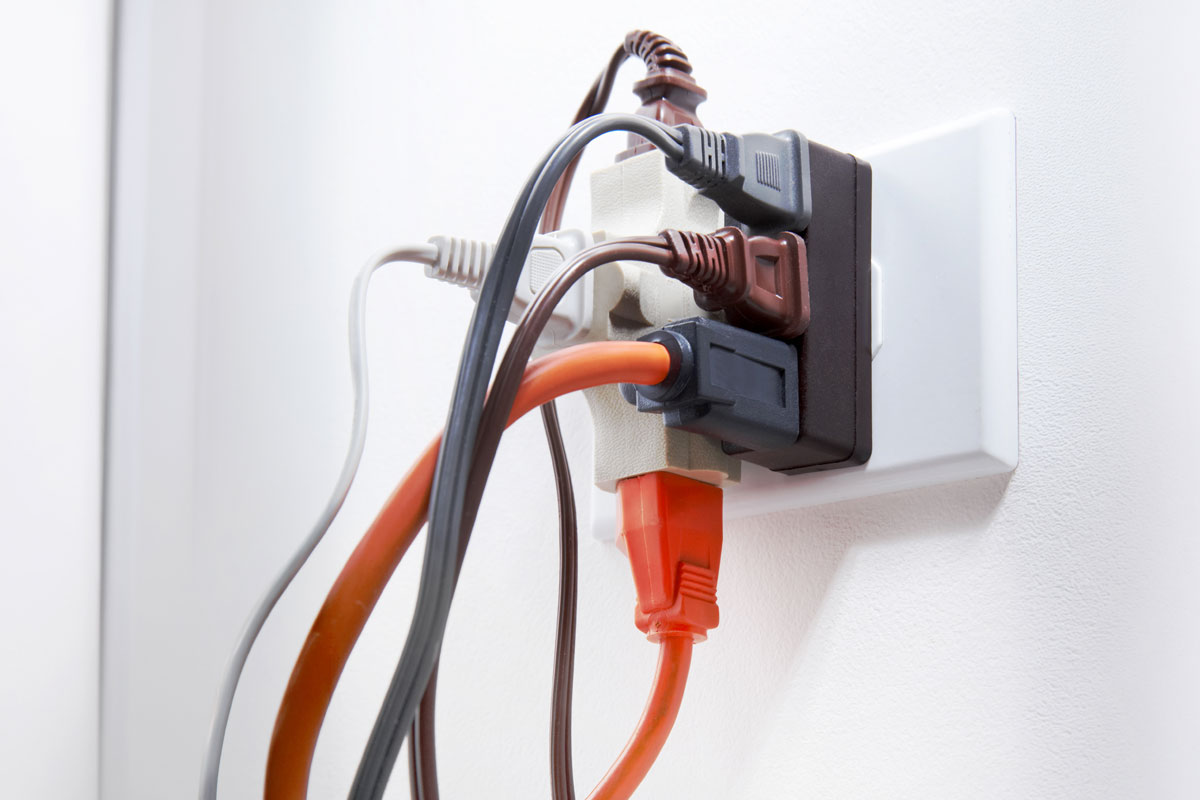
Overloaded outlets can cause electrical fires.
- Childproof your electrical outlets if young children are in your home.
- Keep outdoor wall receptacle covers closed when not in use.
- Don't plug in more than one major appliance per outlet.
- Don't plug in more devices than an outlet is designed for.
Ground fault circuit interrupter outlets
A ground fault circuit interrupter (GFCI) is a special type of outlet designed to trip when it detects a current flowing along an unintended path; through a human body or water, for example. Install GFCI outlets where electric appliances may be used near water, like kitchens, bathrooms and patios.
- GFCIs are required by code in new homes but can be installed in older homes.
- Be aware that lightning and power surges can damage GFCIs.
- Follow manufacturer’s instructions and test GFCI outlets monthly.
Surge supressors
A surge suppressor limits the amount of electricity during a power surge and may protect your electrical devices and GFCI outlets. A licensed electrician can install a surge suppressor at your main service panel. You can add point-of-use surge suppressors such as power bars or plug-in types for additional protection.
- Use power strips for additional outlets and point-of-use-surge suppressors to protect your devices and equipment.
- Unplug sensitive electronic devices during storms.
Electric tools
When working with power tools, keep your work area dry. Water and electricity don’t mix and can give you a fatal shock. To reduce the risk of shock, use a double-insulated power tool or a ground-fault circuit interrupter (GFCI).
- Inspect power tools and accessories thoroughly before use. Check for wear, breakage and loose connections.
- Turn off the tool before you handle its plug to avoid accidental start-ups.
- Plug a power tool with a grounded cord cap into a grounded outlet.
- Make sure your tools are properly grounded with a three-prong plug.
- Unplug a power tool that has fallen into water before you touch it.
- Don't plug more than one high-powered tool into an outlet.