
Prepare for a power outage
In the event of an outage, power can be disrupted for a few moments, a few hours, or in extreme cases like a severe winter storm, for more than a day. Although we can't predict a power outage, it’s important to be prepared and know what to do when the lights go out.
Learn about how to prepare for a power outage
Emergency kits
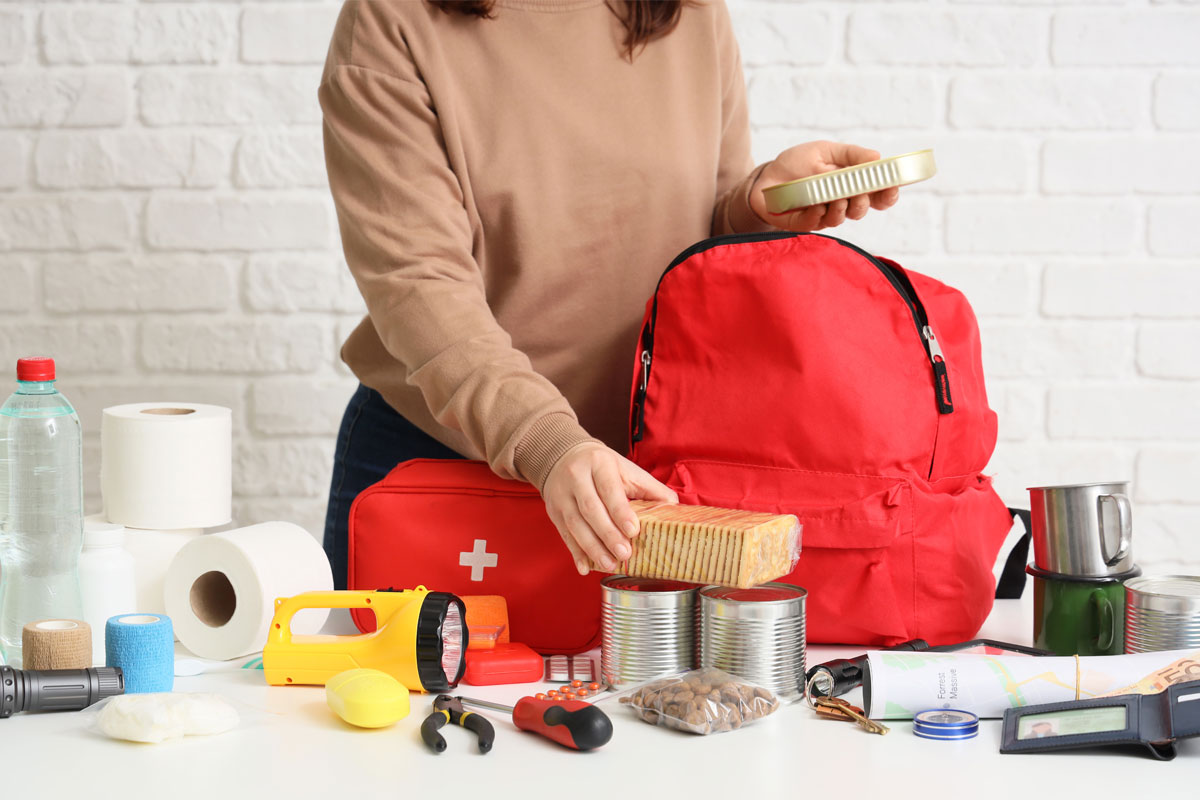
Emergency kits can help you and your family stay comfortable during a power outage. Keep items in an emergency box and store it where it can be easily found in the dark.
- flashlight and extra batteries
- portable radio and extra batteries
- portable charger for mobile devices
- bottled water
- canned or dried food
- manual can opener
- blankets
- candles and matches
- first aid kit
- spare fuses
Generator safety
During a power outage, a properly sized and well-maintained generator can restore electricity within minutes with a manual-start unit or in seconds with an automatic-start unit.
Do
- If the power goes out, wait 10 minutes to check if power is restored before starting a generator.
- Ensure your generator has a transfer switch that isolates the generator from the main power grid. This prevents back-feed onto powerlines, protecting our crews and your equipment.
- Review the instruction manual and start your generator periodically to ensure it's in good running condition.
Don’t
- To prevent carbon monoxide (CO) poisoning, never operate your generator in a house, garage or other enclosed building.
- Never plug a generator into an electrical outlet.