
What is natural gas?
Natural gas is a colourless, odourless and highly flammable gas that's used for heating homes and powering various appliances. More than half of all homes in Manitoba are heated by natural gas which is delivered through a series of underground pipelines.
Natural gas leaks are rare, but they can be dangerous. We add a chemical compound called mercaptan to natural gas to give it a strong, sulphur-like or rotten egg smell that makes leaks easily detectable.
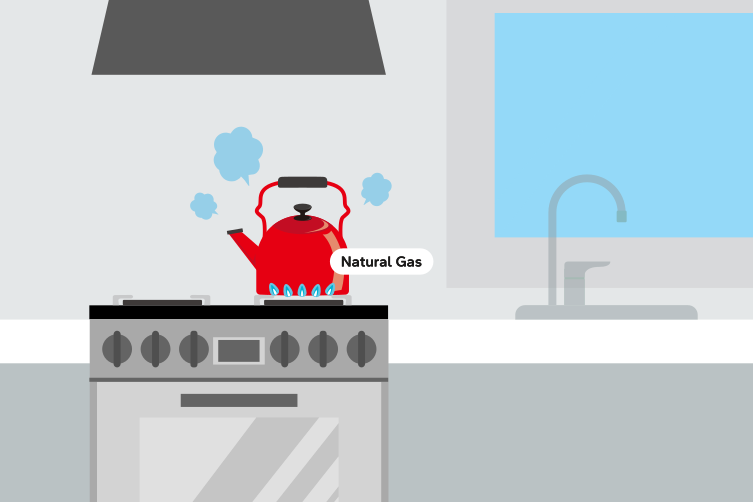
Natural gas appliances
Clean your natural gas appliances and heating system regularly and service them annually. These can include your furnace, water heater, fireplace and oven.
- Allow for proper air circulation around your furnace, pipes and appliances by keeping the areas clutter-free.
- Know where to find the shut-off valve for each appliance and how to use it.
- Never use or store gasoline, flammable vapours or liquids or combustible materials near your natural gas furnace or water heater.
- Check the flame of all natural gas appliances regularly. It should be blue. A yellow flame may be a sign of carbon monoxide (CO).
Learn more about carbon monoxide safety tips and symptoms
Smell, leave and call
- If inside a building, leave the doors open as you exit.
- From a safe place, immediately call 911, your local emergency services, or Manitoba Hydro at 1-888-624-9376 (1-888-MBHYDRO) for an emergency inspection.
- Alert anyone who is nearby and stay upwind.
- Don't run a vehicle. Starting a vehicle may create a spark, so you may have to walk out.
- Don't smoke, light matches or lighters, operate electrical switches, appliances, phones, vehicles or create any other source of ignition or sparks.
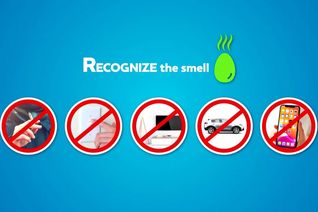
What to do if you smell natural gas
More than half of all homes in Manitoba are heated with natural gas.
Video: 1:32
Natural gas equipment
You can unknowingly create a safety risk near a natural gas meter and piping when landscaping or making other improvements to your home. For anything deeper than 6 inches, Click Before You Dig.
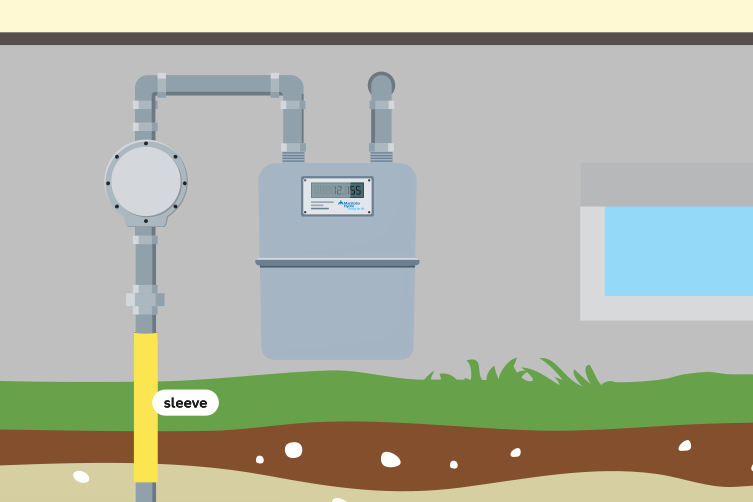
Before you begin a project, plan for safety:
- Install a plastic sleeve around the gas piping where it comes through the ground to the meter. That protects it from ground movement as the seasons change.
- Leave a space between the outer wall, gas meter and piping so the gas shut-off valve is accessible in an emergency.
- Don't pour concrete or install bricks or patio stones in direct contact with the gas meter and piping.
- Don't embed gas piping in new wood or vinyl siding, stucco, or brick.
- Don't bury the gas pipe that goes into your house. Avoid corrosion by keeping soil, concrete, and other landscaping material away from the gas line where it enters the house.
Caring for meters
Accumulated snow and ice on your meter can create a safety hazard. Buildup can block the vent and allow excess gas pressure into your home. Snow and ice can also put stress on the meter piping and could cause a gas leak.
Check your natural gas meter regularly for snow and ice buildup. Even though natural gas meters and pressure regulators are built to withstand extreme winter weather conditions, you need to keep them clear of snow and ice.
- Clean and repair eavestroughs in the fall. Freezing rain, roof runoff or water from leaking eavestroughs can cause a buildup of ice on the meter below.
- Remove any large icicles hanging above your meter or appliance vents.
- Carefully brush snow from your gas meter with your hand or a broom.
- Avoid using a snow blower near your natural gas meter.
- Never hit, kick or use a hard object like a shovel to break away ice or snow from the gas meter assembly.
Sidewall vents
Sidewall vents are common in high efficiency natural gas furnace and water heating installations. Keep the area around these vents clear year-round for safe operation of the equipment.
If you notice ice buildup on any part of your natural gas meter, do not try to remove it yourself and contact us.
Service disruptions
When natural gas service is disrupted, we relight crucial customers like hospitals and senior centres first, followed by all other customers. Although rare, a natural gas outage can happen anytime. Disruptions are usually short-lived but complex repairs may mean your service will be out for several hours.
To safely restore natural gas service, we have to shut off the gas supply to every customer in the area served by the damaged pipeline. We don't need to go into homes or businesses to do this.
In the event of a natural gas incident, we work closely with local emergency responders. Temporary evacuations or street closures may be needed to keep you safe until we stop the leak. Repairs may involve excavating.
What to do during natural a gas outage
- Natural gas furnaces and appliances don't have to be turned off. They should operate normally when the power is restored.
- Make sure wood-burning fireplaces and stoves are properly ventilated and there is no risk of carbon monoxide (CO) poisoning.
- Don't use portable fuel-burning equipment inside your home or garage. This includes portable generators, patio heaters, barbecues, camping stoves and propane or kerosene heaters.
If your natural gas service goes out in cold weather
- Turn the thermostat down.
- Put on extra clothing layers.
- Close blinds and drapes and avoid opening doors to conserve the heat in your home.
- Use an electric heater (if electrical power is still on) to keep heat in one main living room.
- Leave cold water dripping from faucets if pipes are in danger of freezing.
When natural gas is restored
We'll relight natural gas appliances that were shut off for safety reasons. If you do it yourself, follow the instructions on your equipment. If you need help, call us toll-free at 1-888-624-9376 (1-888-MBHYDRO)
- Be sure your water heater is full of water before turning it on.
- Turn up the furnace thermostat.
- Turn off portable heaters.
If you leave your home, leave your contact information with a neighbour. An adult must be present to allow our utility service representative to enter the home to restore service. Our employees carry photo ID and will show it to you on request.
Blocked sewers
Natural gas lines may intersect with sewer service lines outside your home or business. These intersections are called cross bores. Damage to the cross bore can result in a natural gas leak, fire or explosion.
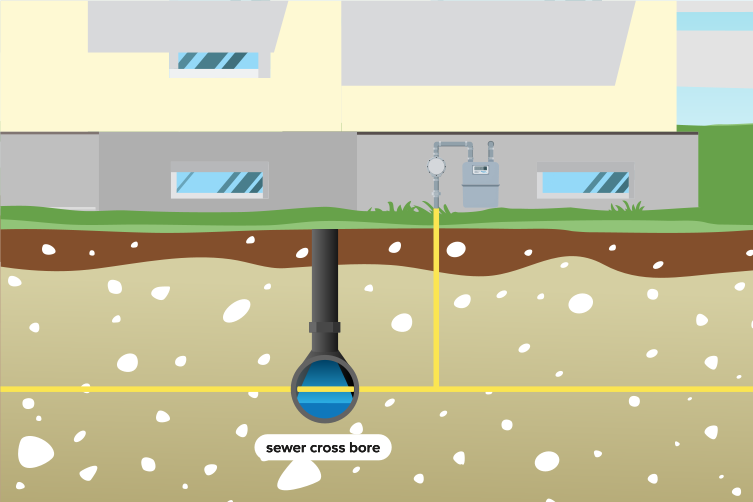
The sewer must be inspected before you try to clear it with rotating equipment or water jets. Even if your home doesn't use natural gas, pipelines can be nearby. If the inspector does not find any evidence of a cross bore, they'll tell you to proceed.
Call us at 204-480-1212 (Winnipeg) or 1-888-624-9376 (1-888-MBHYDRO) to arrange for a free inspection.
If there's a chance of a cross bore, we'll correct the situation so the sewer clearing can be completed safely.
You don't need to call if you or your plumber is:
- fixing the problem within the walls of the building
- doing a video inspection to check if there is a cross bore
- attempting to clear a blockage with plungers or push rods