
Be prepared
Take steps ahead of time to keep you and your family safe at home. Be prepared and keep an emergency kit or install a backup generator.
What you can do:
- If you have a natural gas fireplace, make sure it is serviced and working properly. Many natural gas fireplaces will work without electricity.
- If you have a fireplace, keep a supply of firewood available.
- Keep an emergency kit somewhere that is easy to get to in your home.
- Never barbecue indoors or in an enclosed space.
For more information on how to prepare for a power outage and other emergencies, visit the federal government’s website.
Backup generators and transfer switches
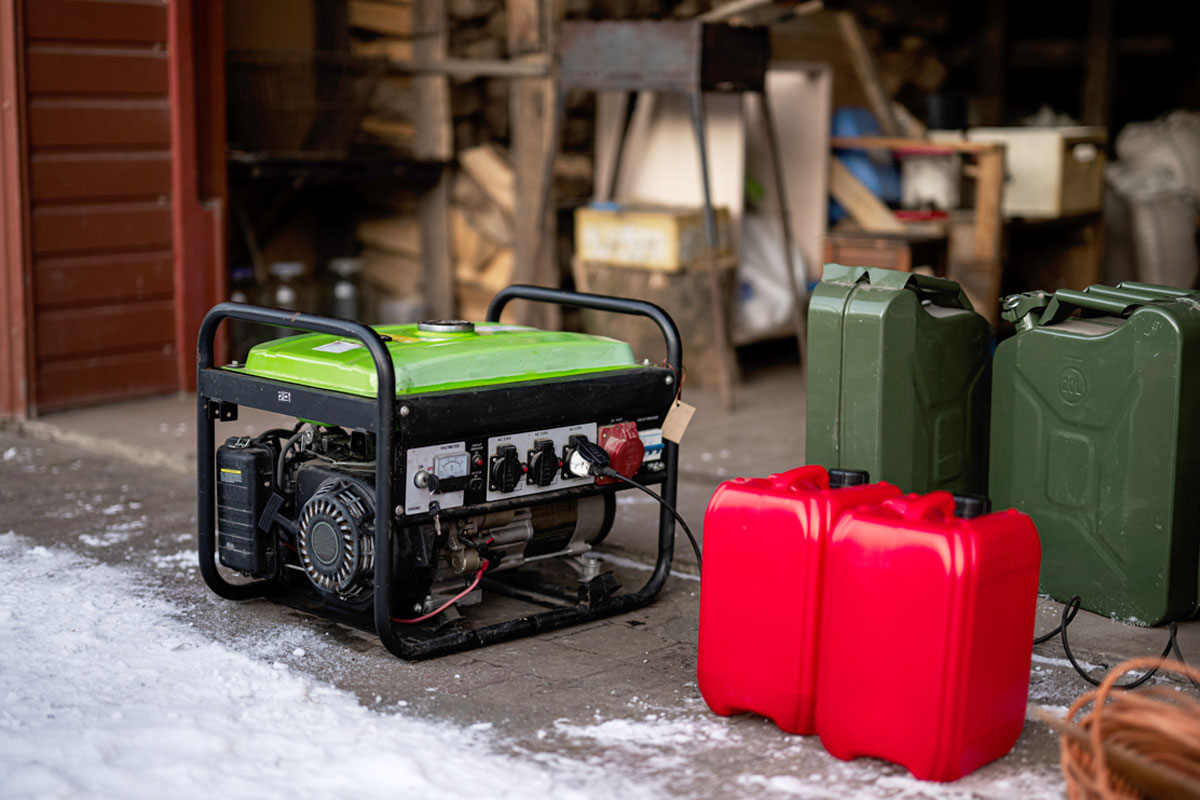
When a power outage happens during a storm, a properly sized and well-maintained standby generator can be a life saver when used properly. Transfer switches control the flow of power and are mandatory under the Canadian Electrical Code.
- Only operate a generator outside as they can create dangerous levels of toxic carbon monoxide very quickly.
- Place generators so that exhaust fumes can’t enter the home through windows, doors, vents or other openings in the building.
- Hire a licensed electrician for the installation and connection of your transfer switch. Make sure all codes are met and necessary inspections are completed.
- Use only approved electrical equipment.
- Never use a generator in an attached garage, even with the door wide open.
Before a flood
Spring run-off flooding may develop slowly, but heavy rain can cause flash floods in lowland areas and basements. We disconnect electrical services in flooded areas. If an electrical or natural gas emergency occurs, flood-related or otherwise, call 911 or your local emergency services immediately.
- Make sure your sewer backwater valve and sump pump work to prevent a backup.
- Move electrical equipment such as TVs and computers out of your basement to an upper floor.
- If your basement is dry, turn off the main power switch.
- Check with us if your natural gas service should be shut off.