
The energy transition is taking place around the world. People and businesses are gradually shifting from fossil fuels to electricity. This shift is largely the product of environmental mandates and a push toward energy sources that emit less or no carbon.
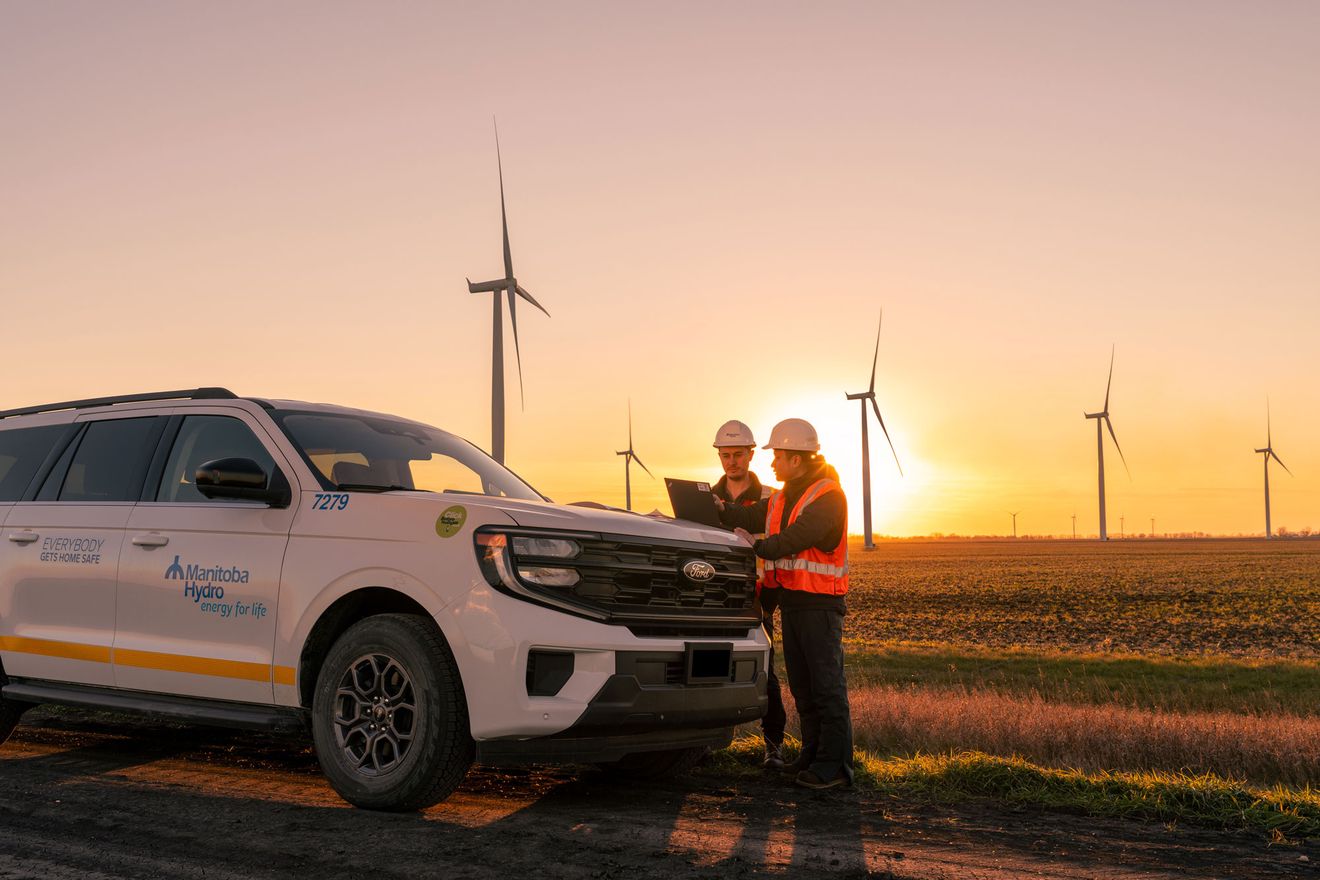
Manitoba's energy transition: building for the future
Video: 5:37
Around 97% of the electricity produced in Manitoba comes from hydroelectric sources. However, when we look at the overall energy consumption in Manitoba, only about 25% of it comes from electricity. The rest is mostly fossil fuels and some biofuels.
In our province defined by its winters, natural gas heats just over half of all homes and businesses. To get around our cities and highways, most Manitobans still drive gasoline-powered vehicles.
That means while most of our energy is hydroelectric, we still rely heavily on burning fuels.
There are goals at both the provincial and federal level to reach net-zero in the coming years. This means we’ll likely see businesses and organizations focus more on electricity instead of fossil fuel sources, leading to an increase in the overall demand for electricity.
What is net zero?
Net-zero is a state where any carbon emissions from burning fuel sources are offset.
We are focused on two main net-zero goals based on government policies. The first is a goal to reach a net-zero electric energy grid by 2035. In a future with a net-zero grid, fossil-fuel electricity generation must either convert to non-fossil fuels, use a non-fossil fuel credit system or net emissions to zero using carbon offsets.
The other goal is to align with a net-zero economy by 2050, which expands the scope of net-zero goal-setting beyond the electric energy system. This goal requires a coordinated effort across the province and would see organizations, governments, businesses, individuals and others working to shift their processes and enable net-zero across the entire province.
Broadly, these net-zero goals are intended to help protect the environment for future generations.
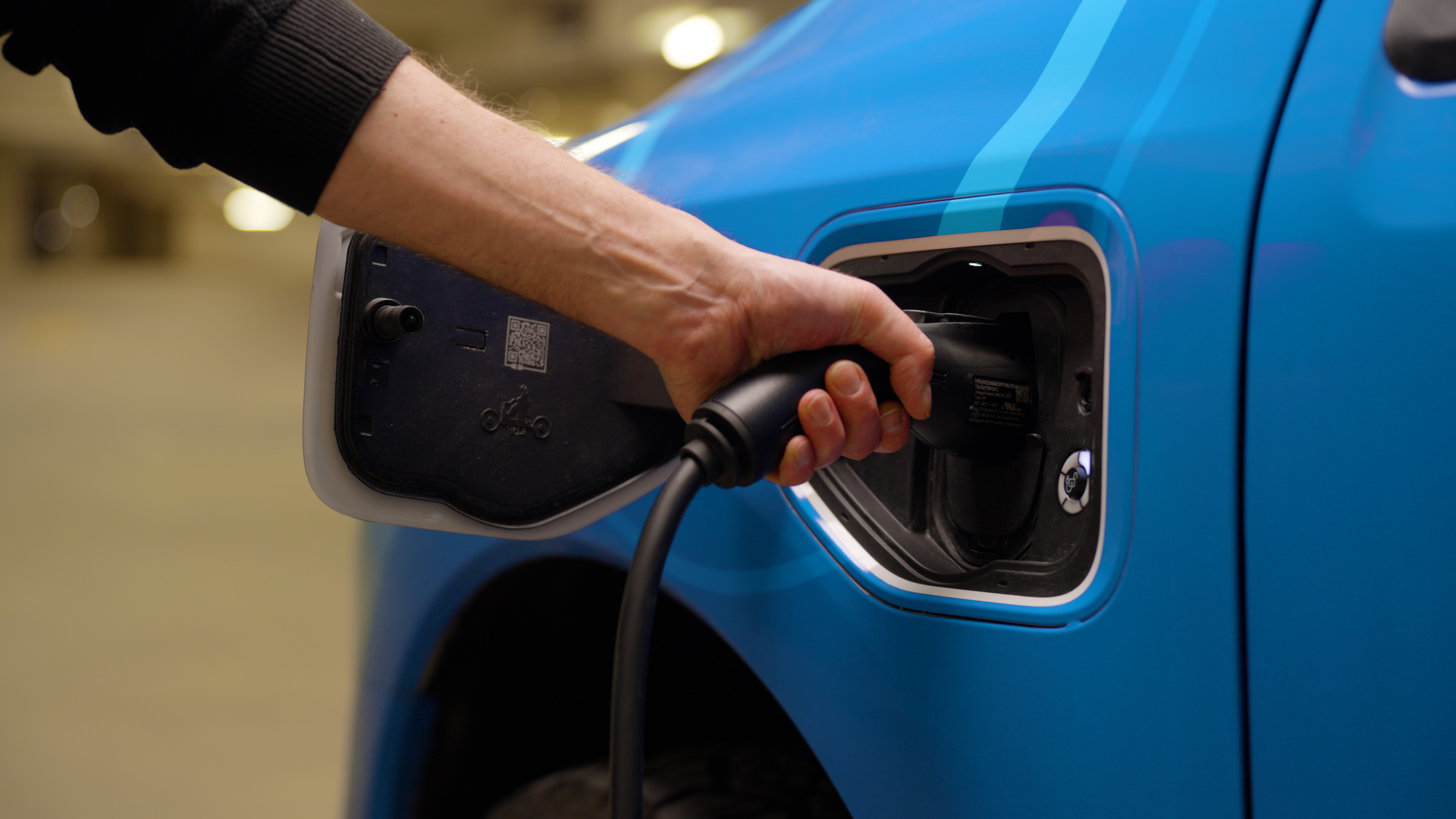
Enlarge image: A hand holds an EV charger plugged into a vehicle.
We’re seeing this shift away from fossil fuels in the rising popularity of electric vehicles and battery-operated tools, which further increase our demand for electricity. The ways we heat our homes are evolving. More new apartments and condominiums are being built with heat pumps and supplementary baseboard heating, methods that use electricity instead of or alongside natural gas.
While shifting to electrical heating can contribute to meeting net-zero targets and lowering carbon emissions across the province, this increased demand for electricity also adds pressure to Manitoba’s electricity supply, resulting in a forecasted need for greater electricity capacity by 2029/30.
Consumer trends aren’t the only factor increasing the demand for electricity in Manitoba. Widespread population growth and businesses moving to electricity for heating, transportation and operational processes all have an important impact. The rising use of artificial intelligence and the construction of new data centres around the world only adds to this pressure.
Manitoba needs new, dependable energy sources as early as 2029 to meet this increasing demand.
We’re preparing now to ensure we can meet future energy needs. This includes preparing our 2025 Integrated Resource Plan (IRP), which outlines the actions we’ll need to take to help ensure we’re ready for the energy future.
Investments outlined in the 2025 IRP, like the addition of energy efficiency programs, the implementation of natural gas-powered combustion turbines and the development of Indigenous majority-owned wind power, will increase our supply of electricity, support economic development and further the efforts outlined in both the government’s Affordable Energy Plan and Manitoba’s Path to Net Zero.
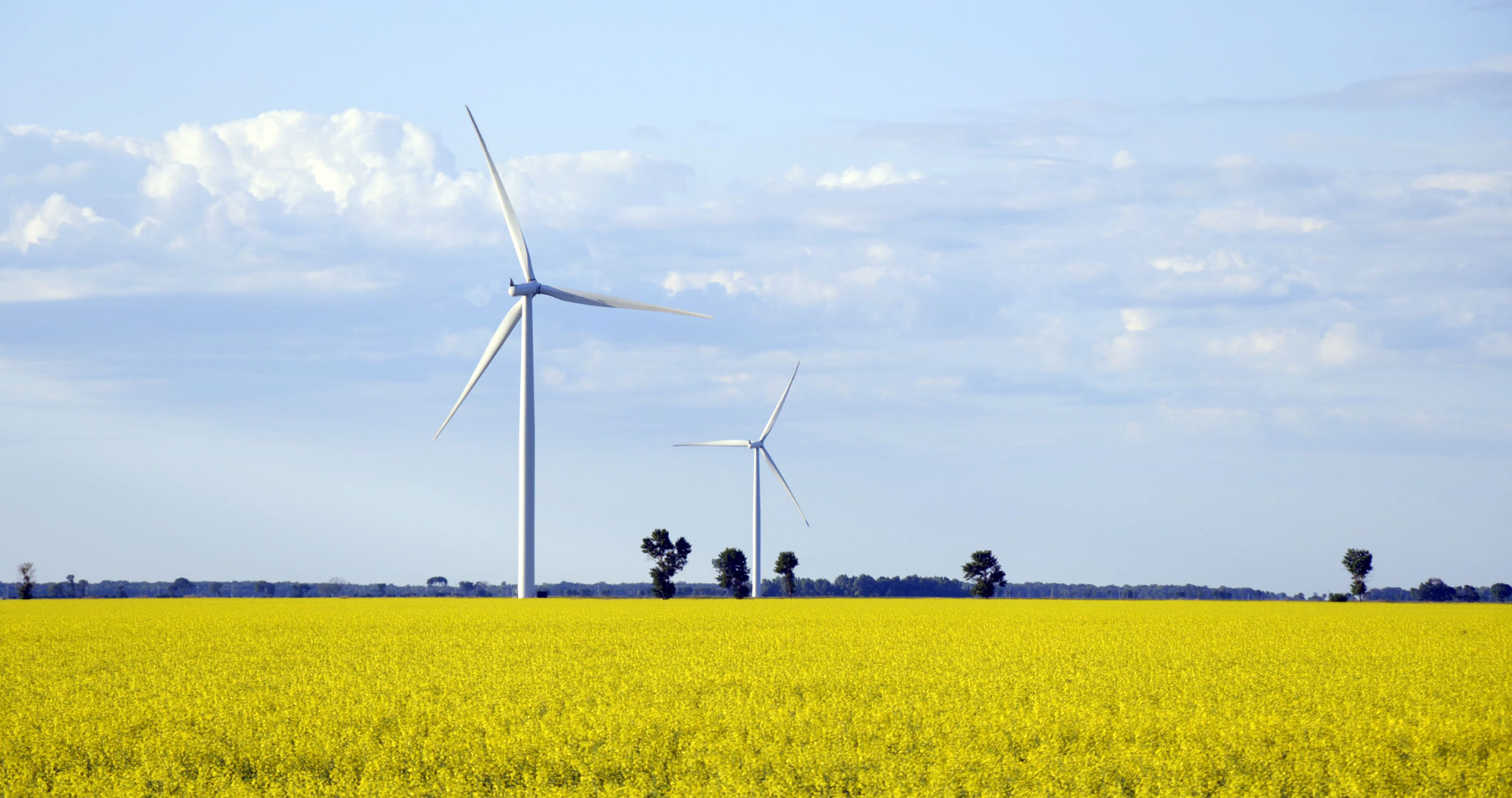
Another way to increase our generating capacity is by improving existing infrastructure like adding several new units at Pointe Du Bois generation station.
There’s making power, and there’s moving power
Increasing electric demand means increasing generation. But generating more power isn’t helpful on its own. You also need to be able to transport that power. That means developing our generating system requires upgrading our transmission system, the main vehicle transporting electricity from the source all the way to your community.
A higher-capacity electric transmission system throughout Manitoba means more power is travelling through our lines. That means upgrades also need to happen to our distribution system, like the power lines in your neighbourhood. Much of our work in places like Winnipeg’s older areas is meant to improve this system, helping to accommodate electric vehicles and increased demand for electricity at homes like yours.
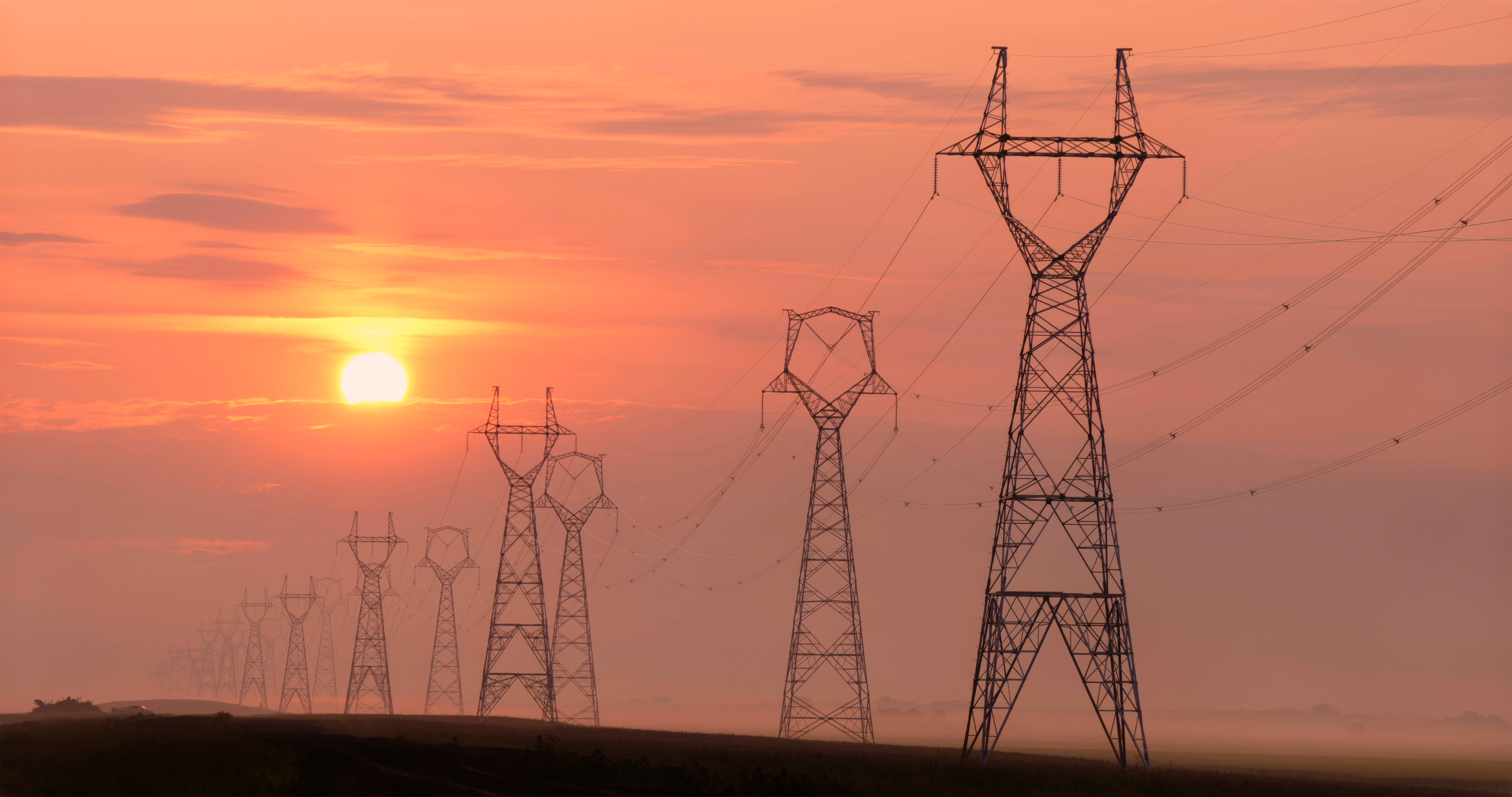
Enlarge image: Large transmission towers carry powerlines into the sunset.
We have a dedicated team of experts carefully planning Manitoba’s energy future. They have been forecasting the future of energy demands in the province for decades and continually monitor and evaluate existing and new resource technology options for meeting demand. Their research will help shape our decisions to best position us to continue providing safe, reliable and affordable energy for years to come.
The energy transition is happening all around the world and it’s a complex, ever-changing process. Our people are hard at work to lead us into the energy future and to meet the increasing demand for electricity brought on by the shift to net-zero emissions.