Stay safe from carbon monoxide and natural gas this winter
Last year, five children and three adults were sent to hospital in Winnipeg (cbc.ca) due to high levels of carbon monoxide (CO) inside their home.
The cause: problems with the home’s furnace.
Incidents like this show that a dangerous carbon monoxide incident can happen to anyone.
As the weather continues to cool down and furnaces start up, it’s especially important to think about how you can protect yourself and your family from the dangers of carbon monoxide and natural gas during the colder months.
CO safety
CO is an invisible, odourless and highly toxic gas produced when wood or fuels like in your natural gas furnace burn without proper ventilation.
The only way to detect CO is by installing CO alarms on every level of your home, especially near bedrooms. They can be purchased at most big box stores for around $50. Be sure to take note of expiry dates and test them regularly.
If your alarm sounds or you suspect CO poisoning, leave the area immediately and call 911.
Common symptoms of CO poisoning include headaches, dizziness, nausea and vomiting and shortage of breath during moderate physical activity. If you’re experiencing health problems from suspected CO poisoning, seek medical attention and let the physician know you suspect carbon monoxide poisoning.
Other warning signs of CO include stuffy or stale air, water condensation on windows, the smell of exhaust fumes, a back draft from the fireplace, or a pilot light that keeps going out.
To prevent CO from forming, never use a barbecue, camp stove, fuel burning heater, generator, or any gas-powered engine inside your home, garage or enclosed space. If a wood stove, fireplace or natural gas appliance is not properly ventilated, the fuel cannot get enough oxygen and will release CO.
Have your heating system annually inspected and maintained by a licensed heating contractor to keep CO out of your home. Make sure external vents are secure and free of snow, leaves and other debris. If you have a fireplace, make sure it has a fresh air intake duct.
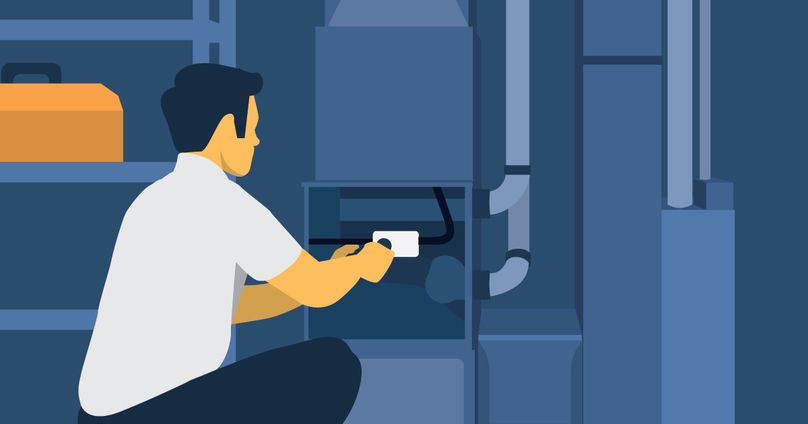
Learn more about CO safety.
Natural gas safety
Natural gas leaks are rare but can be dangerous. The smell of rotten eggs in your home is often a sign of natural gas.
If you smell rotten eggs, leave your home immediately and call 911 or local emergency services from a safe distance. Leave the door open on the way out.
Like with CO, regular maintenance is the best way to keep natural gas out. Clean your natural gas appliances and heating system regularly and have them inspected by a licensed serviceperson annually. These can include your furnace, water heater, fireplace, oven and others. Remove debris from your natural gas meter to prevent blockages.
Learn more about natural gas safety.
Keep carbon monoxide and natural gas safety in mind this winter and keep yourself and your family safe.